
Dental implants are one of the safest and most predictable ways to permanently replace a missing tooth. Frankly, the risks are minimal. The success rate is over 95%, and when performed in an experienced clinic, it approaches perfection. So, are there no risks at all? No. But these are generally manageable and do not pose a serious problem for most patients.
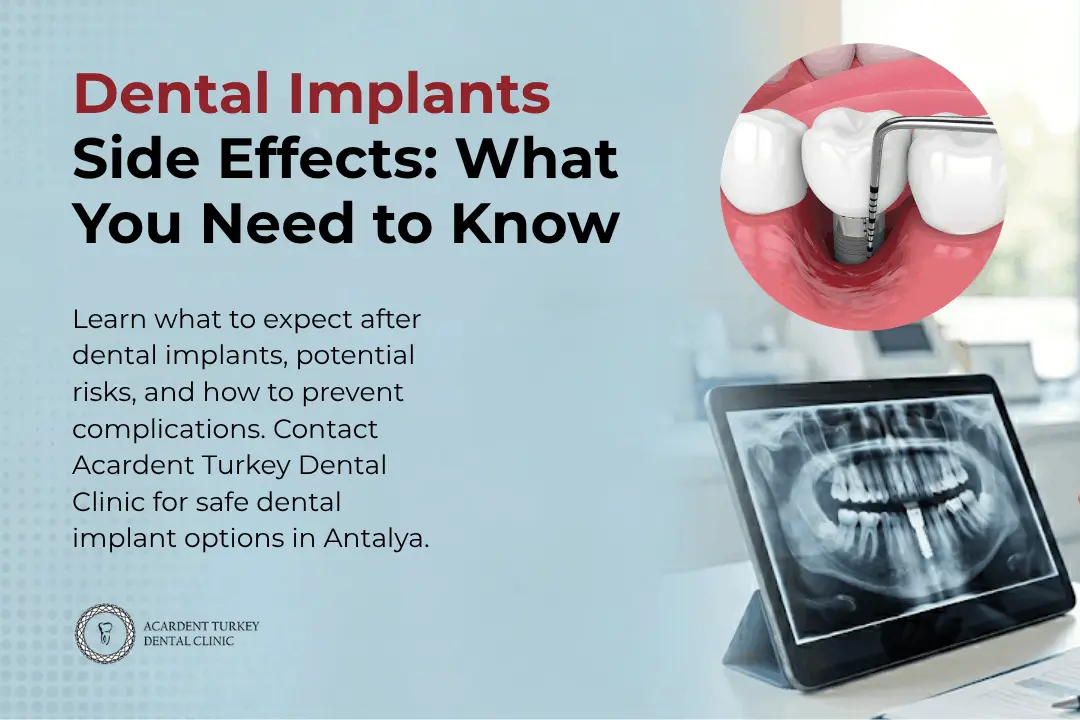
What to expect after dental implants?
Some short-term side effects after surgery are normal. Your body may experience mild pain, swelling, or tenderness as it tries to “recognise” the new implant and fuse it to the bone. You can think of this like the adjustment period when you wear a new pair of shoes—it will be mild discomfort but will pass quickly.
Temporary side effects after dental implants: What's normal, what's not?
The sensations you experience in your mouth after getting dental implants might seem a little "excessive" at first. Swelling, mild pain, difficulty chewing… We would like to make it clear that most patients go through the same process. In fact, these symptoms are usually a natural sign that your body has started to heal.
So where do you stop and ask, "Is this normal?" That's where the issue becomes clear.
Pain and tenderness
After dental implant treatment, a slight tingling sensation begins once the effects of anaesthesia wear off. Sometimes it's that strange feeling where you say, "It's not my tooth, but it feels like it's there."
To be honest, this pain usually peaks in the first 24-48 hours. Then it gradually decreases.
Think of it like a muscle that aches the day after exercising and not working for a long time. The body is reacting, but this isn't a bad sign.
Cold compresses, rest, and pain relievers prescribed by your doctor are often sufficient. But if the pain increases after a week, you should stop and get it checked out.
Swelling
Swelling in the gums usually becomes noticeable within 2-3 days. Some patients may look in the mirror and think, "Did something go wrong?"
We've realized that this is actually the period when the body's repair mechanism is actively working. So it's not a problem, it's part of the process.
There may be a feeling of fullness in the cheek area and tightness in the gums. Applying ice and keeping the head slightly elevated significantly relieves these symptoms. However, if the swelling is increasing or there are additional symptoms such as fever or a bad taste, the possibility of infection should not be ignored.
Mild bleeding
Mild bleeding in the form of spotting after implant placement is seen in most patients, especially in the first few hours, but it is generally normal.
Applying gentle pressure with gauze, avoiding spitting, and not gargling strongly are critical points. It may seem like a small detail, but it determines the direction of healing. If the bleeding continues into the next day or intensifies, the situation changes. In this case, you will need to consult your dentist.
Bruising
Some patients experience purplish-yellow discoloration on the cheeks or around the gums. Especially with upper jaw implants, it can extend down to the area under the eyes, affecting small blood vessels inside, but it's generally disappears on its own within 7-10 days.
If there is pain accompanied by hard swelling, then a check-up is necessary, but bruising alone is mostly benign.
Difficulty eating and chewing
In the first few days, eating becomes a bit of a "strategy." Soft and controlled choices are needed, not hard bites.
Soup, yogurt, purees, smoothies… These are lifesavers during this period. Avoid hard, crunchy, or sticky foods without consulting your dentist. Also, drinking enough water will be beneficial for your body.
The use of a straw is not recommended initially because the vacuum effect can irritate the healing area.
When should you pay attention?
Not every symptom is part of the "normal process." You shouldn't wait if you experience any of the following:
- Increasing pain
- Swelling that doesn't decrease
- Bad smell or taste
- Prolonged and heavy bleeding
What are the long-term side effects of dental implants?
Dental implants are often described as a "permanent solution," and yes, that's true... but there's also a long-term side to it. Over the years, not everything in the mouth stays the same; gums change, bone structure gradually transforms, and even oral hygiene habits affect the outcome. Let me be clear: implants are generally very successful, but there's no guarantee of "problem-free eternity."
So, what might we really encounter?
Peri-implantitis
We've noticed that the most serious long-term problem usually progresses slowly and silently: peri-implantitis.
This is inflammation of the gum and bone around the implant. Initially, it might just seem like slight bleeding. You might think, "My gums are probably just sensitive." But if bacterial buildup occurs, the situation worsens. Symptoms include:
- Redness in the gums
- Bleeding while brushing
- Bad taste in the mouth
- Sometimes mild swelling that goes unnoticed
Early treatment usually involves regular brushing, gargling, and sometimes antibiotics. This side effect is rare and preventable; adequate oral hygiene and regular dental checkups greatly reduce the risk.
Bone loss
The implant is anchored to bone, not gum tissue. And bone can recede over time. It's a bit like a building foundation… If the underlying structure weakens, the superstructure is affected. Initially, there are small losses. If it continues, the stability of the implant is compromised. In advanced cases, additional surgery may be required (such as bone grafting).
You should be careful at this point: if regular checkups are not done, this process is noticed late.
Loosening of the implant screw
It is wrong to think of the implant as a single piece. It contains a screw, abutment, and crown. And yes, these can wear out over the years.
Sometimes
- A slight loosening of the tooth during chewing
- A clicking sound when biting
- Crown fracture or loosening may occur.
These conditions can cause pain in the tooth or limited movement in the mouth. Usually, repair or replacement of the implant is necessary.
Nerve damage
If the implant is placed too close to a nerve, some sensory changes, such as numbness and tingling, may occur.
Nerve irritation is rare; your dentist will take necessary precautions using technical methods such as 3D planning.
Metal sensitivity and rare reactions
It is not very common, but some patients may develop sensitivity to titanium or alloys. Symptoms may include inflammation, local swelling, or irritation.
In this case, zirconia implants may be recommended as an alternative. Allergic reactions are generally very rare and can be managed with appropriate treatments.
Sinus problems
In upper jaw dental implants, the sinus cavity is quite close. Sometimes this distance can be more critical than expected and requires special attention in implant planning.
Common symptoms include nasal congestion, a feeling of pressure or fullness in the facial area, and recurrent sinusitis-like complaints. Dentists use detailed imaging methods to predict this risk beforehand and, if necessary, perform supportive procedures such as sinus lift or bone grafting before implant placement.
Gum recession
Over time, the gum line around dental implants may recede slightly, affecting both the aesthetic appearance and the perceived fit of the implant. We've noticed that these changes are more noticeable in individuals with thin gum tissue. Causes may include aggressive brushing, thin soft tissue, or excessive pressure on the crown of the implant.
To be honest, these types of gum changes usually progress slowly and, if detected early, can be controlled with simple treatments like soft tissue grafting. Severe gum recession is rare in most cases and can be largely prevented with regular care.
Implant failure
In most patients, dental implants integrate strongly with the bone, but in some cases, this integration process (osseointegration) may not be completed as expected.
There are several key risk factors: smoking, inadequate oral hygiene, excessive stress on the implant during healing, and past infections. We have found that when these factors combine, the risk increases significantly.
Generally, infection, poor bone quality, or excessive implant loosening during healing are the reasons for treatment failure.
Dental implants offer a long-lasting and reliable solution; however, maintaining this success requires proper care and regular check-ups. The success rate of dental implants in Antalya is over 95%, and meticulous planning and regular follow-ups are among the most important factors supporting long-term implant success.
How to prevent dental implant problems?
-
Proper planning
The success of implant treatment begins with proper planning. An experienced dentist ensures the implant is placed at the correct angle and position. Bone structure and nerves are analyzed in detail using 3D imaging (CBCT). This reduces surgical errors and risks from the outset. -
General health checks
General health directly affects implant retention. Diabetes, smoking, and bone diseases slow down the healing process. Controlling these factors before treatment increases success. -
Daily oral hygiene
Implants do not decay, but the surrounding tissues can become infected. Therefore, regular brushing and flossing are essential. Interdental brushes and mouthwash keep bacteria under control. Good hygiene prevents peri-implantitis (inflammation around the implant). -
Regular dental check-ups
Post-implant treatment check-ups should not be neglected. Regular check-ups and professional cleaning allow for early detection of problems. If necessary, bone level is monitored with X-rays. -
Avoid overloading the implant
Immediately after implant placement, it should not be subjected to intense pressure. Hard foods should be avoided for a while. If you have a teeth grinding habit, a night guard should be used. Controlled use prolongs the life of the implant. -
Prompt intervention at early signs
Symptoms such as bleeding, swelling, or pain should be taken seriously. Simple treatments performed early can resolve the problem before it worsens. Delaying treatment may necessitate surgical intervention. Therefore, even minor symptoms should not be ignored.
Why choose Acardent Turkey Dental Clinic for dental implants in Antalya?
If you are considering dental implants in Antalya, choosing the right clinic directly impacts the outcome, and in this regard, Acardent Turkey Dental Clinic stands out as a trustworthy option. The clinic aims for success in every treatment and manages the process in a planned manner from start to finish. No compromises are made on the quality of materials used, as dental implants are a long-term solution.
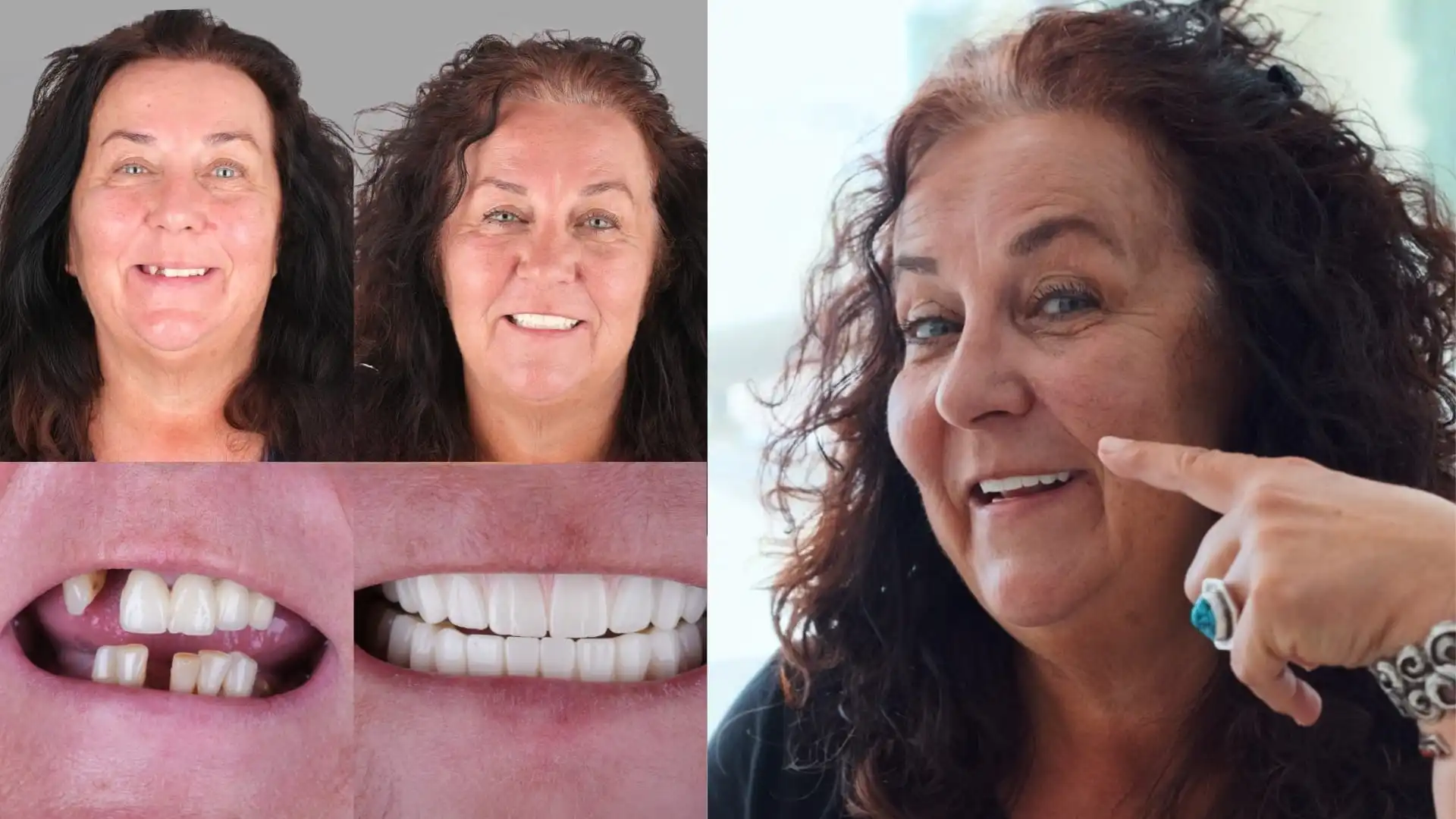
Our experienced team determines the appropriate approach for each patient and minimises unnecessary risks from the outset. The pricing policy is balanced, meaning a service that is both high-quality and affordable is provided. In short, for those seeking dental implant treatment in Antalya, Acardent Turkey Dental Clinic is a choice that offers reliable results and sustainable success.