
If you are considering dental implants, one of the first questions that probably comes to mind is: “How do implant healing stages progress and how long does it take?” This is quite a natural curiosity. Because a successful implant treatment doesn't end with the placement of the implant. The most important part is the healing period during which the implant establishes a strong bond with the jawbone.
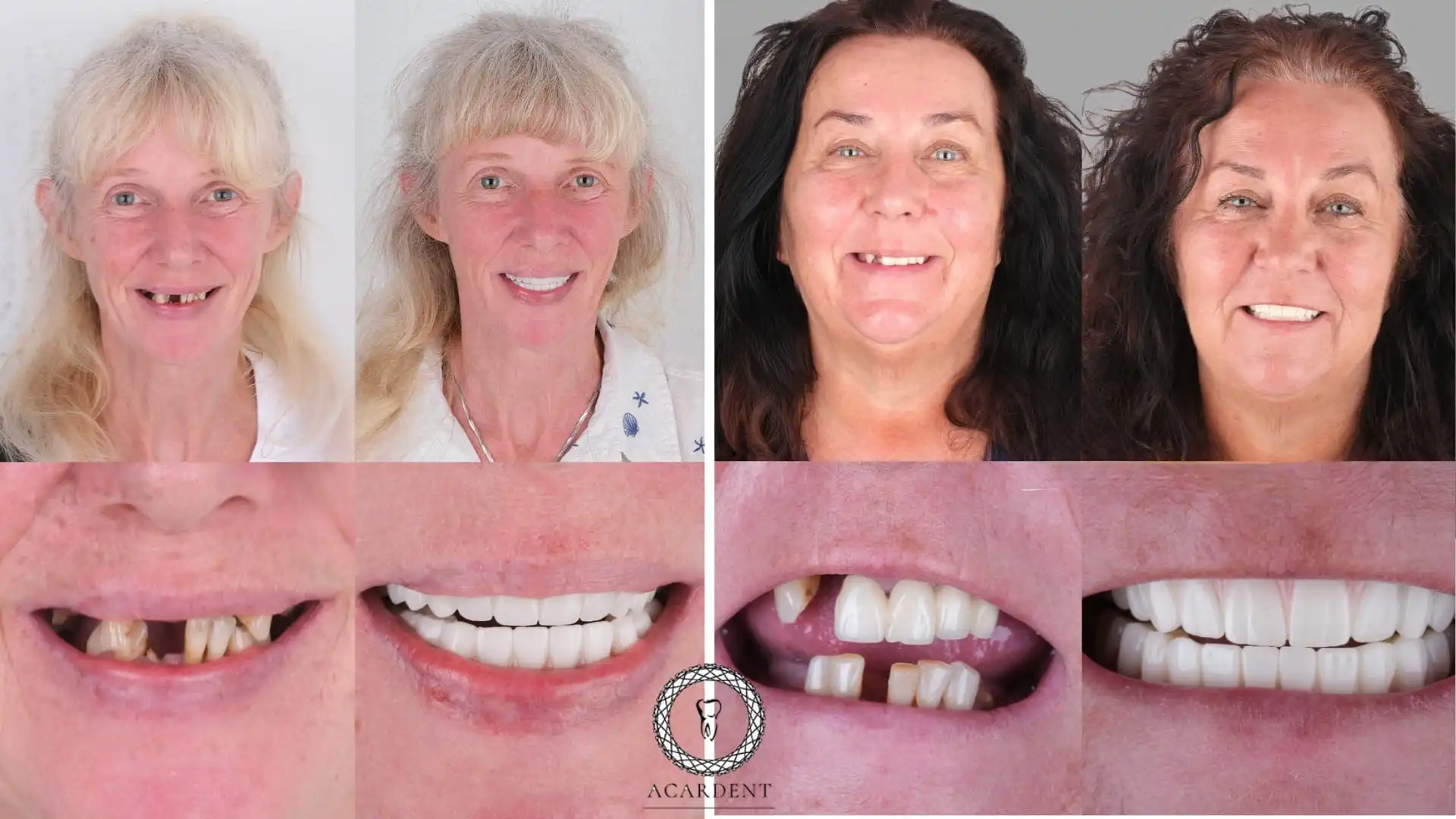
Dental implant healing time is not the same for everyone. The structure of the jawbone, general health status, smoking, oral care, whether bone grafting is necessary, and the number of implants placed directly affect this process. While some people reach the final stage within 3 months, healing in more extensive treatments can extend to 6 to 9 months.
As Acardent Turkey family, in this article we will explain the implant healing stages in a simple, understandable, and scientifically based way. This way, you can follow your treatment process more consciously, comfortably, and safely.
What is dental implant healing time?
Tooth implant healing time refers not only to the closure of the wound but also to the period during which the implant screw fuses firmly with the jawbone. During this process, the titanium or zirconia implant screw forms a natural bond with the bone. This is the fundamental step that ensures your dental implant can be used safely for many years; this process is also called osseointegration.
Dental implant healing process timeline
Dental implant treatment is not performed in a single day. Each week your body is at a different stage of healing. The gums will start to heal in the first few days. Over the next few weeks the jawbone slowly begins to surround the implant as if it were a part of itself. The healing process for dental implants usually involves the following stages:
First 48 Hours: The body begins the healing process
The first two days mark the start of your body's natural healing process. Mild pain, swelling, bruising and a small amount of bleeding are considered normal. Swelling usually peaks on the second or third day for most people, after which it gradually subsides.
During this period, eat soft foods. Avoid chewing on the side where the implant is located. Do not smoke. Take the medication prescribed by your dentist and follow their aftercare advice regularly. These small steps will ensure the following weeks are more comfortable.
Week 1: Gums begin to strengthen
During the first week, the gums recover rapidly and form a natural barrier around the implant. Dissolvable stitches may begin to dissolve during this period. If necessary, your dentist will remove the stitches during a check-up.
Any discomfort will decrease significantly. Many people can comfortably return to their daily routine and light work by the end of the week.
Weeks 2-3: The healing process is more visible from the outside
During this period, the gums continue to strengthen. Mild redness or very slight swelling may persist. This is usually normal. The important thing is that the symptoms gradually subside.
You will feel largely back to normal. You will be able to eat more comfortably. However, you should still avoid biting into very hard foods in the area of the implant.
Weeks 4-12: The jawbone firmly grips the implant screw
This stage is the most important part of the healing process. The process of osseointegration begins, whereby the jawbone starts to bond with the surface of the implant, strengthening the bond with each passing day. You will not feel this change. However, this is precisely the fundamental process that ensures the implant remains securely in your gums for many years to come.
During this period, your dentist will carry out the necessary check-ups. They will assess the stability of the implant, the health of your gums, and your bite. If necessary, they will plan any impressions and scans.
Months 3-6: Preparation for the permanent tooth is completed
Once the bond between the bone and the implant has become sufficiently strong, it is time to fit the permanent tooth. In the lower jaw, this process usually takes around 3 months. In the upper jaw, however, as the bone structure is softer, healing generally takes between 4 and 6 months. If additional procedures, such as a bone graft, have been carried out, this period may be extended by a few months.
In the final stage, the abutment is fitted. The custom-made crown, bridge, or denture is then fitted. During the final checks, chewing balance, comfort, and fit are assessed. The implant treatment is thus completed in terms of both aesthetics and function.
Bone graft recovery
If your jawbone is not strong enough to support the implant, your dentist may recommend a bone graft. Bone grafting recovery typically takes 3-6 months before implant placement. In some cases, bone grafting and implant placement can be done simultaneously.
Sinus lift recovery
For implants near the molars in the upper jaw, a sinus lift may be necessary to create space and provide support. Recovery after a sinus lift typically takes 4-9 months, depending on the scope of the procedure.
How to heal faster after a dental implant?
The right habits are the best way to support your body's natural healing process.
Don't forget oral hygiene
Use a toothbrush with soft bristles, as recommended by your dentist. Use an antibacterial or chlorhexidine mouthwash regularly if recommended.
In the first few days, choose soft foods
For the first few days, eat foods that are easy to chew, such as soup, yoghurt, purees, eggs and soft vegetables. Avoid foods that are hard, crunchy or sticky. Also, take care not to chew on the area where your implant is located.
Avoid alcohol and smoking
Smoking reduces the oxygen to the tissues around the dental implant and slows healing. Alcohol can effect the healing process too the first couple of days. So not smoking and not drinking alcohol, especially in the beginning, makes it easier for the implant to form a good bond with the bone.
Give your body the proper support to heal
To make new tissue, your body needs good nutrients and lots of water. Eat a diet rich in protein, vitamins and minerals. Drink plenty of water during the day. Avoid strenuous physical activity for the first few days and give your body time to rest.
Do not touch the area of the implant
Don't spend all your time poking the implant with your tongue. Don't touch it with your hands. This habit can unknowingly irritate the healing tissue.
Don't miss your check-up appointments
The best way to make sure that healing is going well is to have regular dental check-ups. Your dentist will check how well the implant has bonded with the bone and will look at the gums and see how well everything has healed.
Book your dental implant treatment in Antalya today
If you are considering dental implants in Antalya, Turkey and need expert guidance on recovery, Acardent Turkey Dental Clinic is here to help. Our experienced team offers personalized care, advanced technology, and a supportive environment to ensure your implant journey is smooth and successful. To book an appointment, you can call +90 (506) 112 91 14 or fill out the contact form.
FAQs
How do I know if my dental implant is healing correctly?
The most important signs of healthy implant healing are a gradual decrease in swelling and pain within the first 3-5 days, significant cessation of bleeding after 24 hours, and a healthy pink appearance of the gum tissue around the implant. As healing progresses, the implant area will feel more comfortable, and there will be no movement in the implant.
Why no dairy after dental implant?
The reason dairy products are not recommended immediately after dental implant surgery is that they can increase the risk of infection and clotting in the implant area, thus raising the risk of implant failure.